
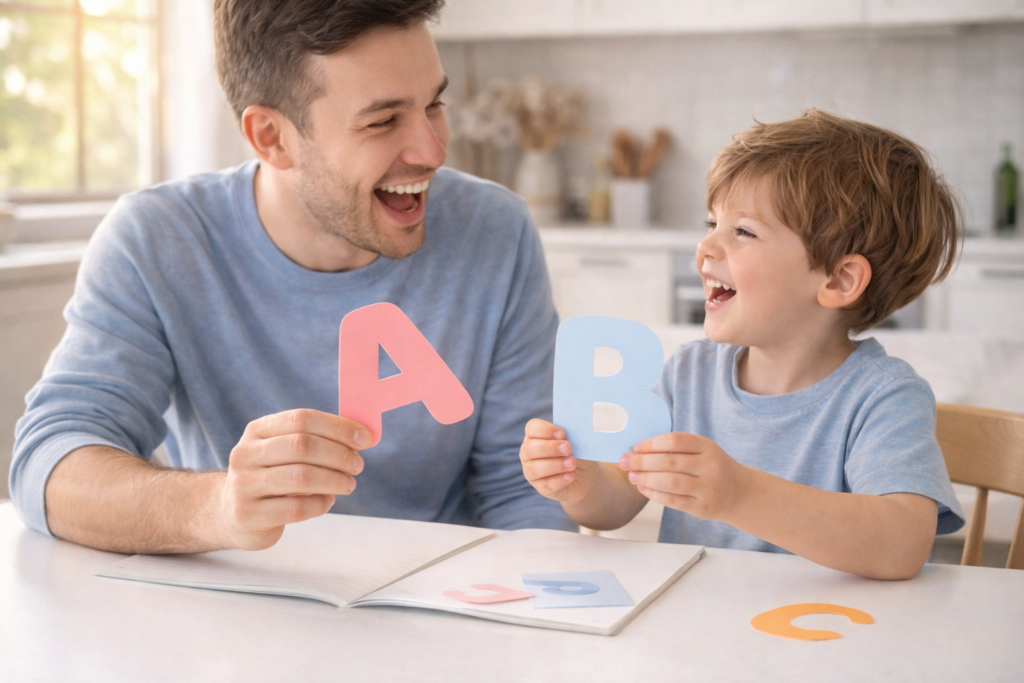
How to Teach Letter Sounds
(Step-by-Step for Parents)
If you’re trying to teach your child to read, letter sounds are the first real step.
But many parents feel unsure:
- “Should I teach letter names or sounds?”
- “Which sounds should I start with?”
- “How do I make my child remember them?”
The key is simple: Reading starts with sounds—not letter names. This guide will show you exactly how to teach letter sounds in a simple, stress-free way.
Why Letter Sounds Matter More Than Letter Names
Most children learn the alphabet song first. But to actually read, they need to decode.
A → “Aye”
B → “Bee”
A → /a/
B → /b/
When children know sounds, they can start blending words. Without sounds, reading becomes guessing.
Which Letter Sounds Should You Teach First?
Don’t start with all 26 letters. Start with a small group of highly useful letters like:
m • s • a • t
These are much easier to blend into simple words like sat and mat. Teaching fewer letters at a time helps children learn faster.
Step-by-Step: How to Teach Letter Sounds
Introduce One Sound at a Time
Pick one letter. For example: m → /m/
Say the sound clearly. Avoid adding extra vowels like “muh”. Keep the sound crisp.
Repeat in a Fun Way
Children learn through repetition. Try:
- Saying the sound together
- Pointing to the letter
- Repeating it naturally during the day
Keep it light and playful.
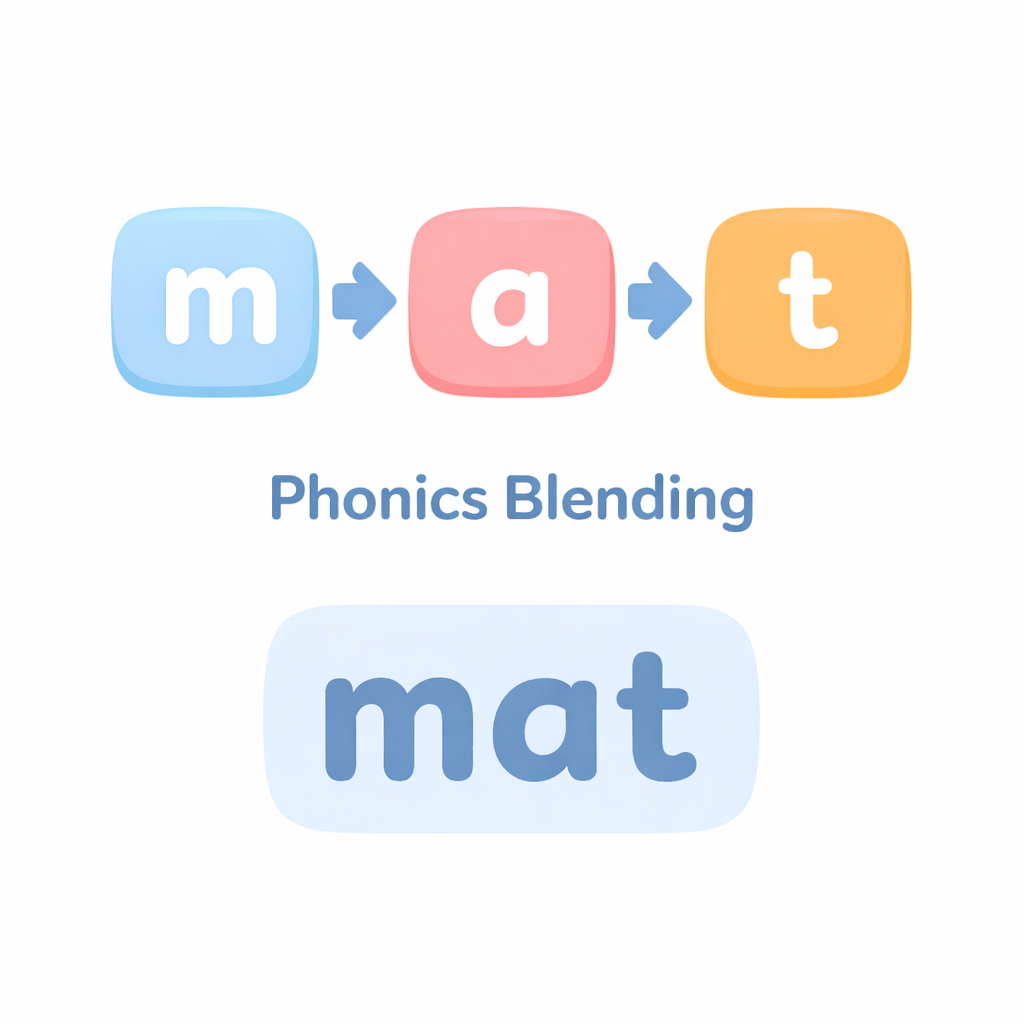
Connect Sounds to Simple Words
Once your child knows a few sounds, show them how sounds form real words. This builds immediate understanding.
Practice Daily (Short Sessions)
You don’t need long lessons. Try 5–10 minutes per day where you repeat known sounds and introduce just 1 new sound.
Consistency is more important than time.
Review Previously Learned Sounds
Always go back and revise.
Today: m + s
Repetition helps retention.
Simple Activities to Teach Letter Sounds
You don’t need endless worksheets. Try simple activities in natural moments:
- Point to letters in their favorite storybooks
- Say sounds while playing with letter blocks
- Find letters on cereal boxes or street signs around the house
Common Mistakes to Avoid
❌ Mistake 1 — Teaching Letter Names First: Names don’t help with decoding reading. Sounds do.
❌ Mistake 2 — Teaching Too Many Letters at Once: This overwhelms children. Keep it small and simple.
❌ Mistake 3 — Expecting Instant Results: Learning sounds takes time. Repetition is key.
❌ Mistake 4 — Making It Feel Like a Lesson: Keep it relaxed. Children learn better without pressure.
How Long Does It Take to Learn Letter Sounds?
Every child is different. But with daily practice:
- Basic sounds can be learned in a few weeks
- Confidence builds gradually
Focus on progress, not speed.
What Comes After Letter Sounds?
Once your child knows a few sounds, the absolute next step is blending sounds into words (e.g., c + a + t → cat). This is where reading actually begins.
Start With a Simple Guide
If you want a structured way to begin, a simple guide can help remove all the guesswork.
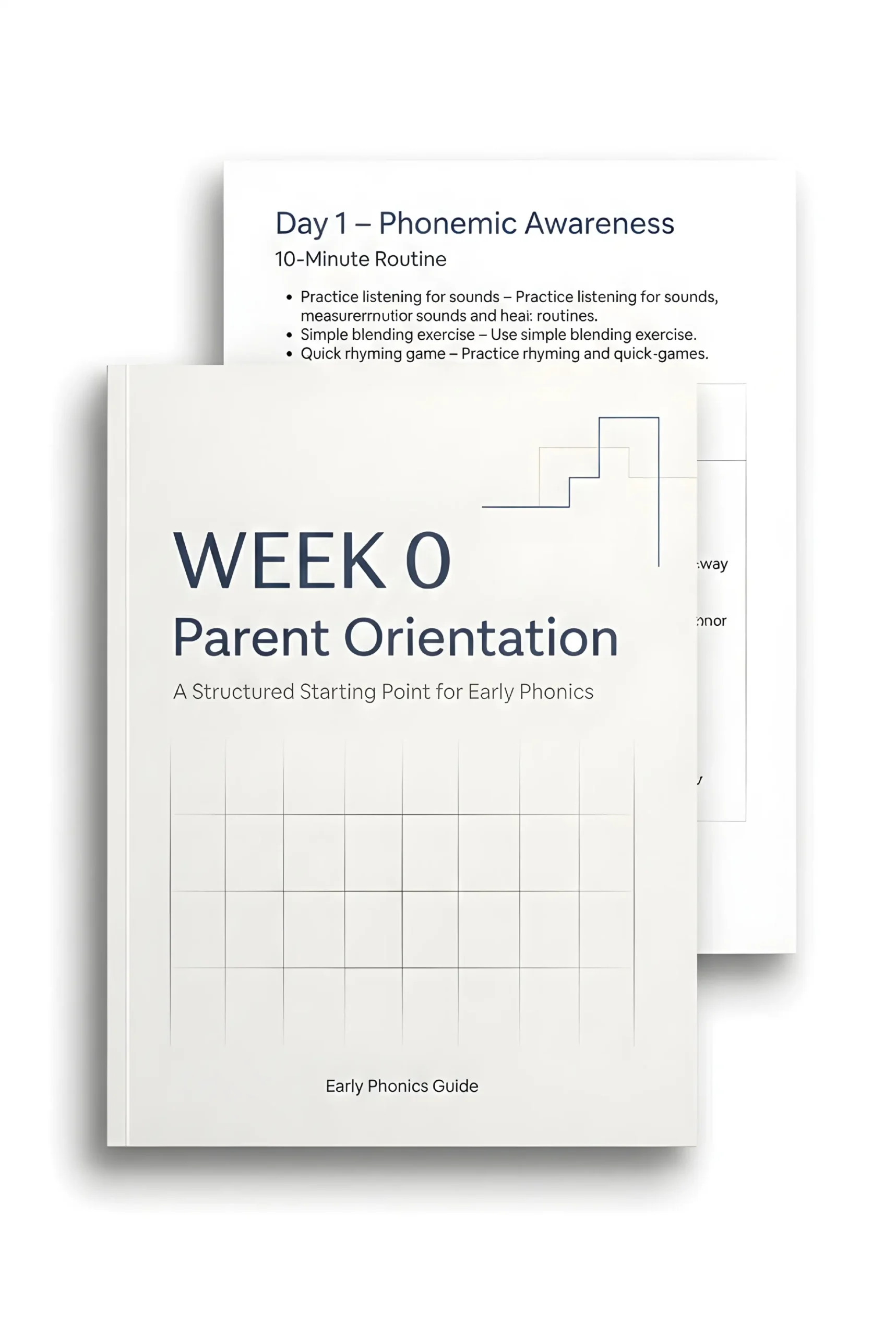
Inside the guide:
- Which exact sounds to teach first
- How to start blending naturally
- A simple, zero-stress daily routine
Final Thoughts
Teaching letter sounds doesn’t need to be complicated. Start small. Keep it simple. Stay consistent.
Once your child understands sounds, reading becomes much easier.