

How to Teach Your Child to Read at Home
(Step-by-Step Guide for Parents)
If you’re trying to help your child start reading, you’re not alone.
Many parents feel stuck between:
- “My child knows letters but can’t read words.”
- “I don’t know where to start.”
- “Nothing seems to stick.”
The good news: Reading doesn’t start with memorizing words. It starts with a simple, step-by-step process. This guide will show you exactly how to begin.
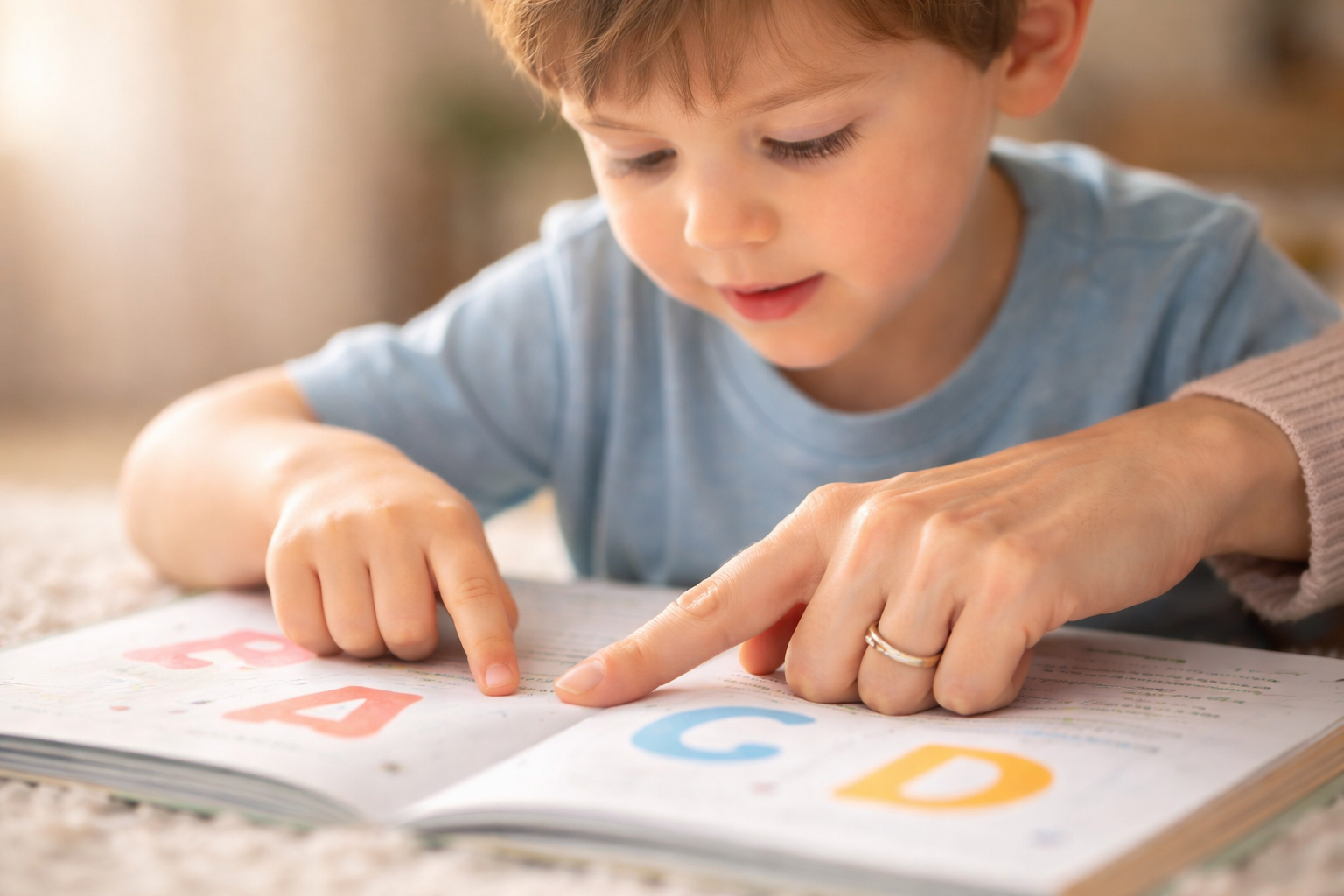
When Should Kids Start Learning to Read?
Parents often worry they’re too early—or too late. Here’s a simple data-backed guideline:
- 👶 Age 3–4: Recognizing sounds and letters
- 🧩 Age 4–5: Beginning to blend simple words
- 📖 Age 5+: Reading simple sentences
Important: Every child progresses at a different pace. The goal isn’t speed—it’s confidence and understanding.
The Simple 4-Step Reading Process
Instead of random methods, follow this structured, proven approach.
Teach Letter Sounds (Not Just Names)
Many children know “A, B, C”… but reading requires sounds, not names. Focus on the letter sounds:
- a → /a/
- b → /b/
- c → /k/
Keep it simple. Start with a few letters—not all 26.
Practice Blending Sounds
This is where reading actually begins. Blending builds the bridge between isolated letters and real words.
Say sounds slowly, then blend them together. This step takes time—but it’s the most important foundation you can build.
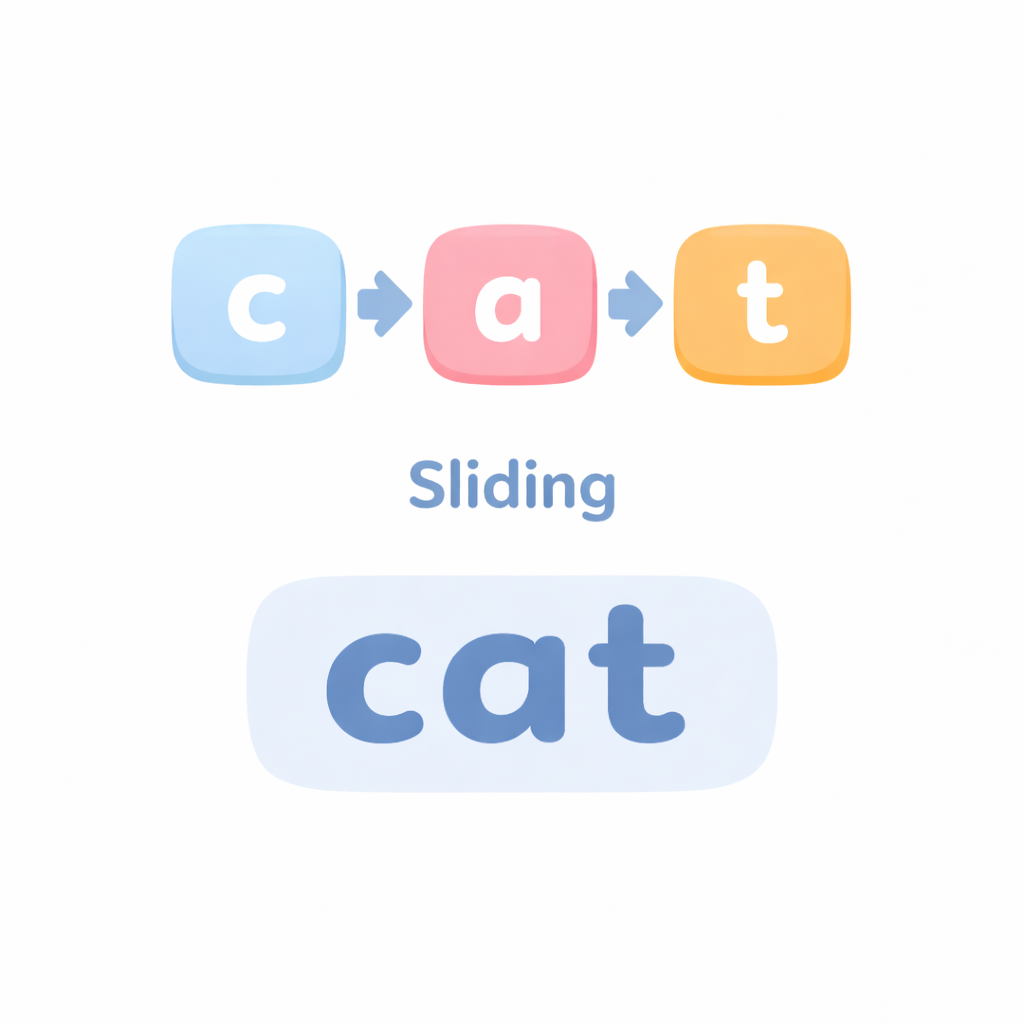
Read Simple Words
Once blending starts working naturally, move to simple CVC (Consonant-Vowel-Consonant) words:
cat • dog • sit • mat
Short, simple words build immense confidence.
Build Confidence With Simple Books
Now introduce short sentence books, repetition-based reading, and simple vocabulary. The goal is not speed—it’s comfort.
Common Mistakes Parents Make
Avoiding these will save you months of frustration.
❌ Mistake 1 — Teaching Too Many Letters at Once: Children get overwhelmed. Start small.
❌ Mistake 2 — Focusing on Memorization: Reading is not remembering words—it’s decoding sounds.
❌ Mistake 3 — Skipping Blending Practice: Blending is the bridge between letters and reading. Without it, progress stalls.
❌ Mistake 4 — Expecting Fast Results: Reading develops gradually. Consistency matters more than speed.
A Simple Daily Reading Routine (15 Minutes)
You don’t need hours. A simple, structured routine works best:
⏱️ 5 minutes → Blending practice
⏱️ 5 minutes → Reading simple words
That’s it. Consistency beats intensity.
Start With a Simple Reading Guide
If you want a structured starting point, you can use a simple guide designed specifically for beginners.
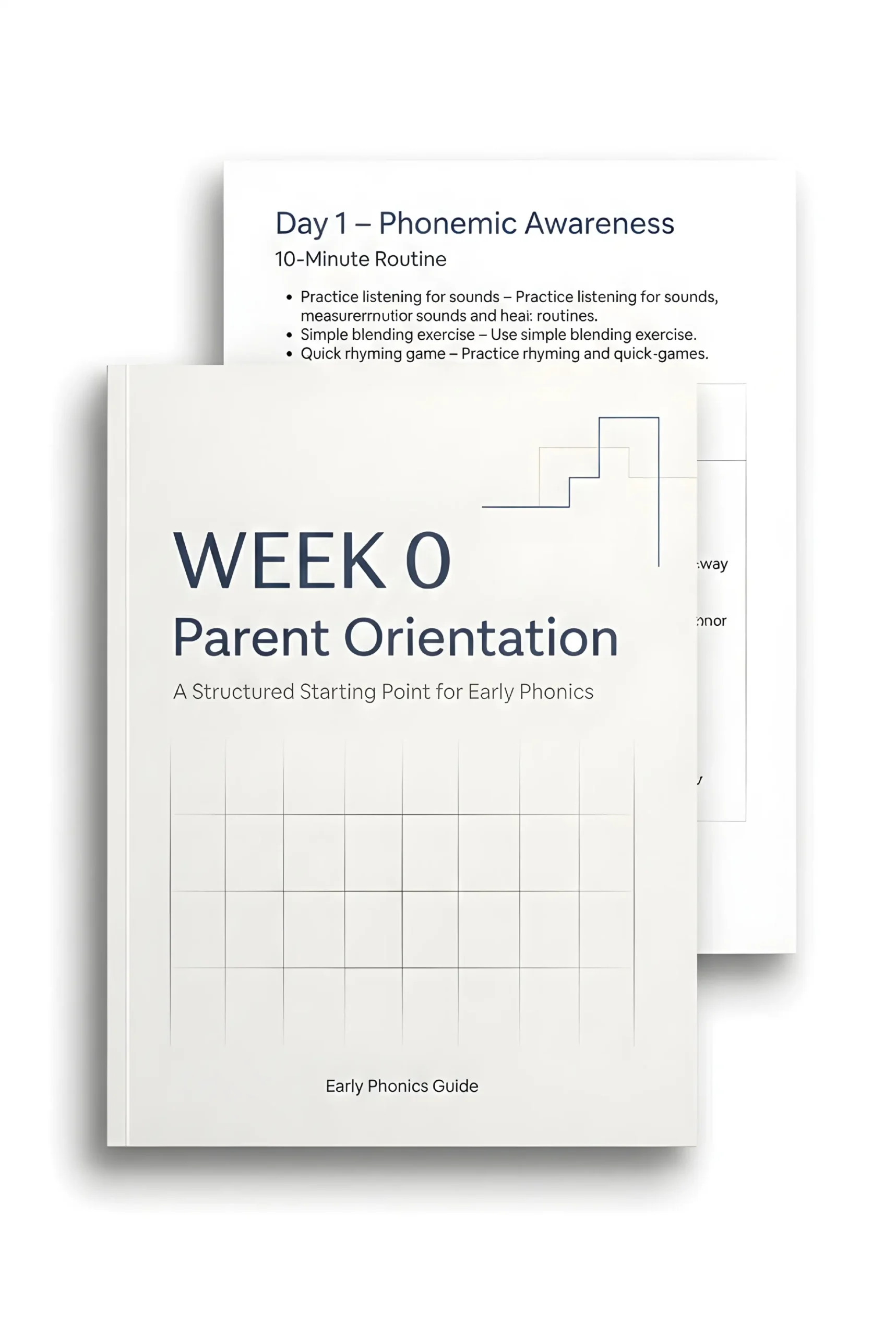
Inside the guide:
- The exact first sounds to teach.
- A simple blending method to connect sounds to words.
- A calm, actionable daily reading routine.
Final Thoughts
Teaching your child to read doesn’t require complicated programs. It starts with simple sounds, small steps, and consistent practice. And most importantly—patience.
Every child can learn to read. They just need the right starting point.