
How to Teach Blending Sounds to Beginners
(Step-by-Step for Parents)
If your child knows letter sounds but still can’t read words, blending is the missing step.
Many parents say:
- “My child knows the sounds, but can’t read words.”
- “They say each sound, but can’t put them together.”
- “Reading just isn’t clicking.”
This is completely normal. The skill your child needs now is called blending — and once it clicks, reading begins.
What Is Blending in Reading?
Blending means combining individual sounds to form a word.
a → /a/
t → /t/
/k/ + /a/ + /t/ → cat
This is the moment when reading starts to make sense.
Why Many Children Struggle With Blending
Blending is not automatic. Children often:
- Say sounds separately but don’t connect them
- Pause too long between sounds
- Forget sounds while blending
This is normal and part of learning.
Step-by-Step: How to Teach Blending
Start With 3-Letter Words
Use simple CVC (Consonant-Vowel-Consonant) words:
cat • dog • sit • mat
Avoid long or complex words.
Say Sounds Slowly
Break the word into sounds: /k/ … /a/ … /t/
Pause slightly between each sound.
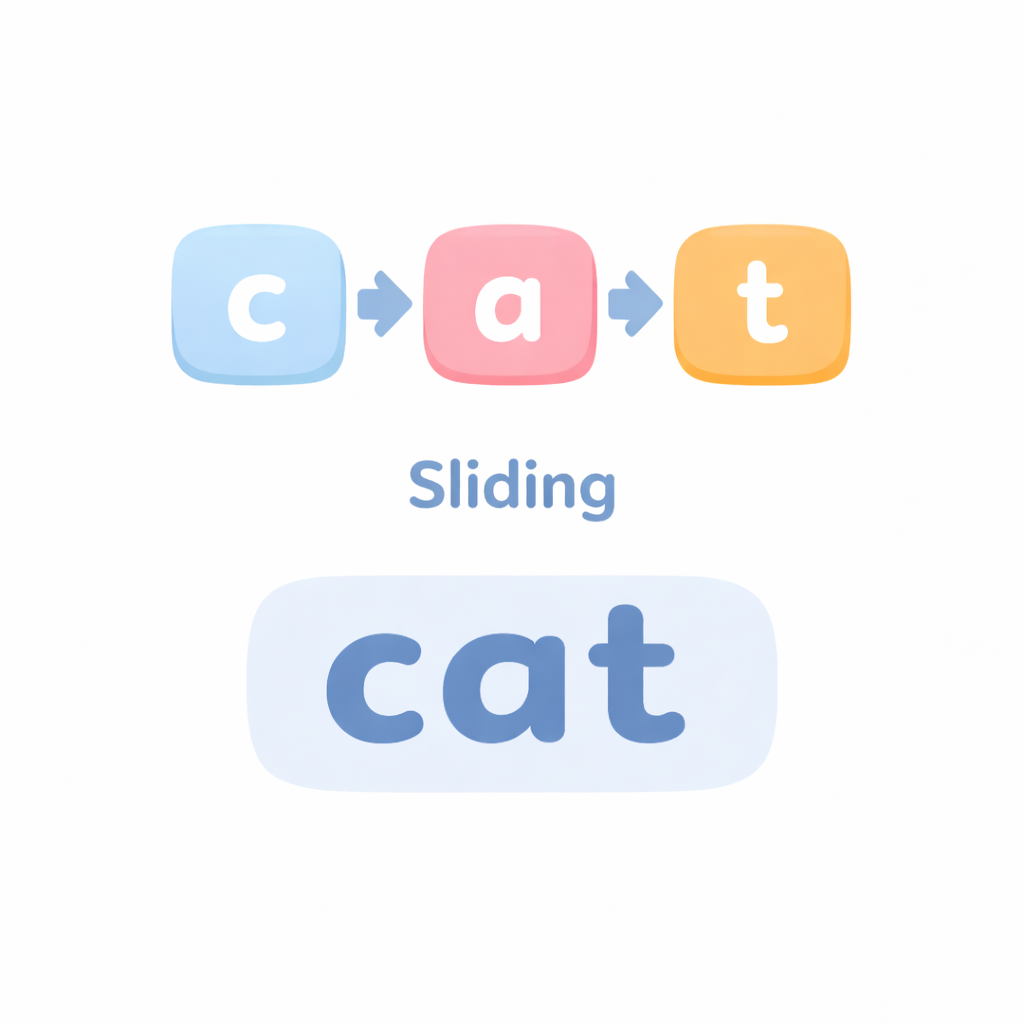
Slide the Sounds Together
Now say it faster. This “sliding” is the key to blending.
Repeat With Different Words
Practice with a few words daily. Repetition helps the brain connect sounds faster.
Keep Sessions Short and Calm
Try 5–10 minutes per day. No pressure, just simple practice. Consistency is more important than long sessions.
Simple Blending Practice Routine
Use this daily for the best results:
⏱️ 5 minutes → Blending practice
⏱️ 3 minutes → Read simple words
That’s enough.
Common Mistakes Parents Make
❌ Mistake 1 — Going Too Fast: Children need time to process sounds. Slow down.
❌ Mistake 2 — Skipping Sound Practice: Weak sound knowledge makes blending harder.
❌ Mistake 3 — Using Hard Words Too Early: Stick to simple words first.
❌ Mistake 4 — Expecting Instant Results: Blending takes practice. It improves gradually.
When Will Blending Start to Click?
For most children, it happens:
- After repeated practice
- After hearing sounds clearly
- After small successes
Then suddenly, reading starts to feel easier.
What Comes After Blending?
Once blending becomes easier, your child can read simple words, start short sentences, and gain reading confidence. This is where real reading begins.
Start With a Simple Reading Guide
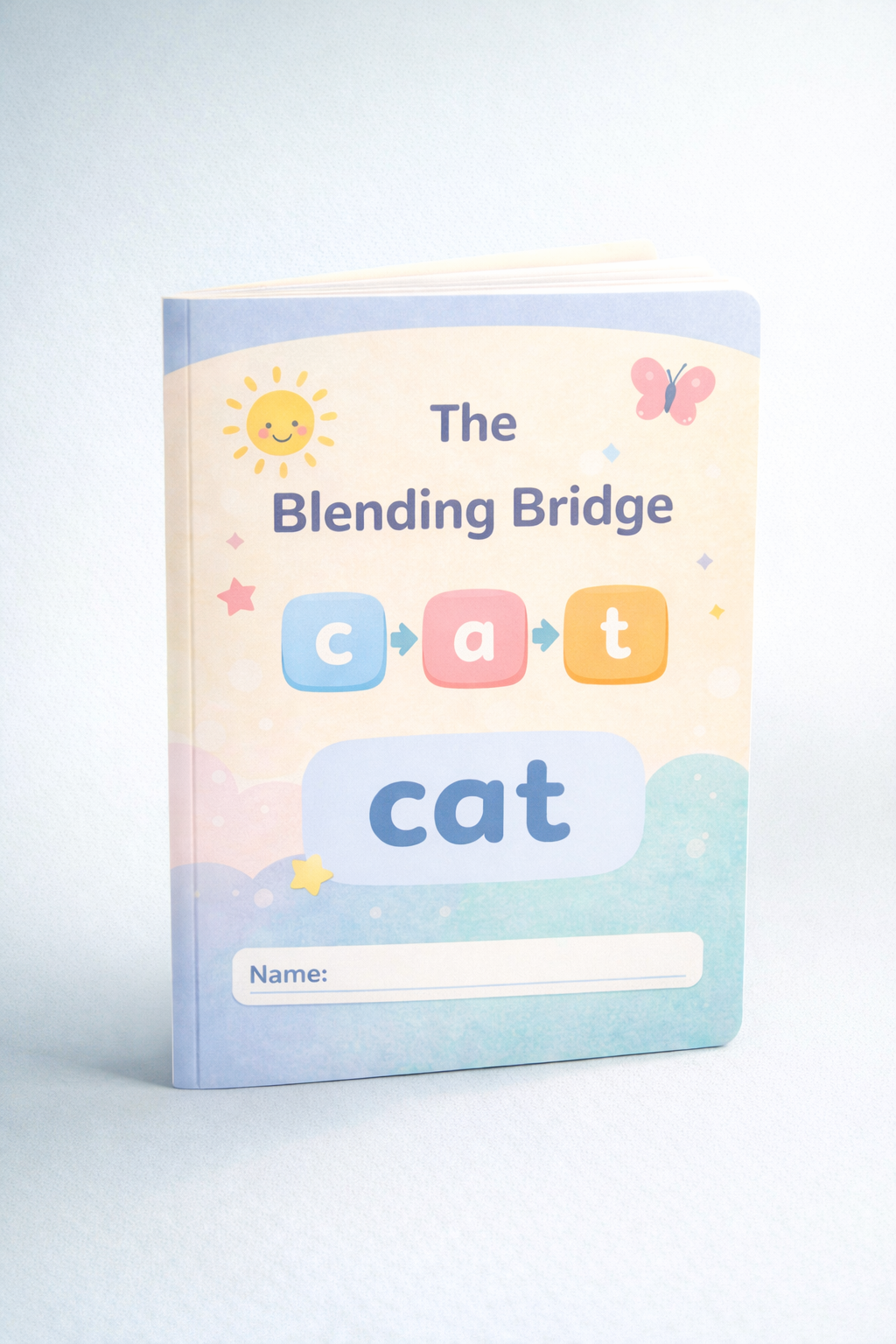
If you want a clear starting point, a simple guide can help.
 /span>
Inside the guide:
- First sounds to teach
- How to practice blending
- A simple daily routine
Final Thoughts
Blending is the bridge between knowing letters and actually reading. If your child is stuck, focus on slow sounds, sliding them together, and simple daily practice.
With time, reading will begin to click.